
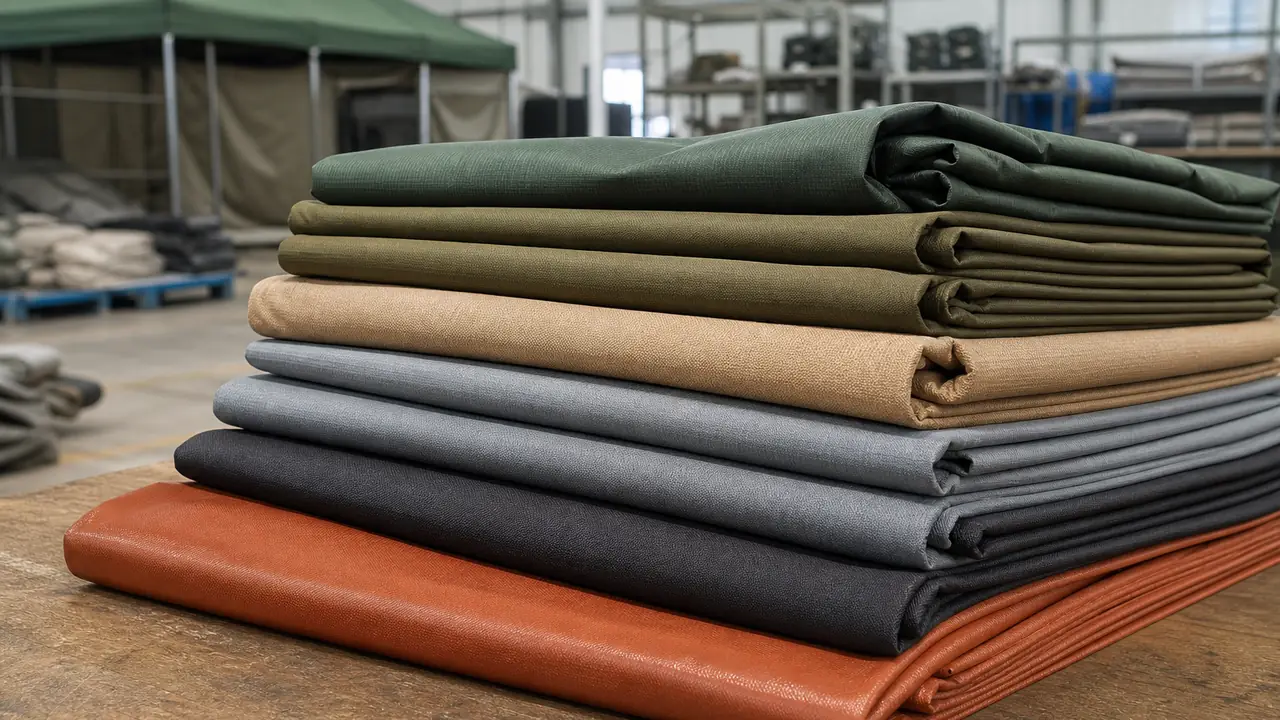
What ripstop is
Ripstop is a weave, not a fibre. During weaving, a thicker reinforcement yarn, or a pair of yarns, is inserted at regular intervals in both directions. The result is a visible grid of small squares on an otherwise fine fabric. Most tent ripstop is nylon or polyester, and the grid is typically a few millimetres across, though spacing varies by mill and is set on the fabric specification.
The reinforcement yarns are stronger than the surrounding ground yarns. When a sharp point or a snag starts a tear, the tear runs through the fine yarns until it meets a reinforcement line, where it tends to stop or turn. A small hole stays small, and a field patch from the repair kit is enough to keep the tent in use.
What ripstop does and does not do
- It limits tear propagation. That is its job. It matters most on thin fabrics, where a plain weave would tear easily once started.
- It does not prevent punctures. A stake, a branch or a sharp rock will still make a hole; abrasion resistance comes mainly from denier and coating.
- It does not add water resistance. Water resistance comes from the coating, reported as hydrostatic head to ISO 811 on the coated fabric. Seams, zips and pitch decide what the finished tent does in rain.
- It does not replace reinforcement. Stake points, pole sleeves and guy-out points still need extra layers of fabric and bar-tacked webbing.
Ripstop, denier and coating together
The lighter the fabric, the more the weave matters. On a 20D-40D nylon fly, the range used on backpacking tents, a plain weave would be fragile, and ripstop together with a silicone coating gives a fabric that is light and still holds up to field use. The two-person backpacking reference model from public listings uses 20D silicone-coated nylon and weighs about 1.7-1.8 kg in total; see backpacking tents.
Silicone coatings add to the effect, because silicone lets yarns slide and share the load at the tip of a tear. A silicone-coated ripstop usually tears less easily than the same base fabric with a PU coating. On 68D-75D polyester family tent flies, ripstop is an option rather than a necessity; the thicker yarn already resists tears in normal use. See tent fabric denier explained and PU vs silicone coatings.
Where ripstop belongs in a range
| Line | Typical fabric | Ripstop? | Why |
|---|---|---|---|
| Backpacking | 20D-40D nylon, silicone or PU coating | Usually yes | Thin fabric needs tear control |
| Dome and family | 68D/75D polyester, 185T-210T | Optional | Yarn is thick enough for normal use; ripstop adds a premium look |
| Cabin and instant | 68D-150D polyester | Rarely | Weight is less critical than price and space |
| Canopy tops | 600D polyester oxford | No | Heavy oxford resists tears; print surface matters more |
| Bell tents | 285-360 gsm canvas | No | Canvas weight provides durability |
Comparing ripstop fabrics
Two fabrics both described as 20D ripstop can differ in grid spacing, reinforcement yarn, ground yarn, coating and finished weight. A quote comparison should look at:
- Fibre and denier of both the ground yarn and the reinforcement yarn.
- Grid spacing, as stated by the mill.
- Coating type and face, and the hydrostatic head per ISO 811 report on the coated fabric.
- Finished weight in gsm with a tolerance.
- Tear strength per lab report, with the test method named, if the brand wants to state it.
A tear strength figure is only comparable between fabrics tested by the same method; values from different methods cannot be compared. If a listing will mention tear strength, the figure should come from a report on the actual fabric, not from a mill brochure.
Ripstop on floors, inners and stress points
The fly is not the only place ripstop appears. Lightweight tents often use a slightly heavier ripstop nylon for the floor, because the floor meets stones, roots and grit; a matching footprint is commonly recommended alongside it. Inner tents may use a light breathable ripstop on the lower walls and mesh above. On every panel the weak points are the same: stake loops, pole clips, guy-out points and the corners where the floor meets the walls. Those spots need extra fabric layers, bar tacks and webbing, and the inspection plan should check them on every sampled tent, because a tear that starts at a badly reinforced stake loop will run along the seam rather than across the grid.
Common failures and what they tell you
When ripstop tents come back with damage, the pattern is informative. A small hole that stayed small means the fabric did its job. A long tear from a seam usually points to reinforcement or stitching, not to the weave. Fabric that tears along the grid with little force can indicate a weak coating bond or UV damage after long sun exposure. Recording these cases in the order file helps the next order specify heavier stress patches or a different coating.
Weight claims and listings
Ripstop is part of the lightweight story, and lightweight tents sell on a weight figure. Two habits keep that figure honest. First, the weight on the listing should be the weight measured on the approved sample, with a stated definition: minimum trail weight (tent, fly and poles) or packed weight (with stakes, guy lines, bags and repair kit). Second, the listing should not imply that a lighter fabric is as durable as a heavier one. A 20D ripstop fly is strong for its weight, not strong in absolute terms. See backpacking tent weight classes.
Repairs and spare parts
Because ripstop keeps tears small, a repair kit becomes genuinely useful. A good kit for a ripstop tent includes self-adhesive patches compatible with the coating (silicone fabrics need silicone-compatible patches or sealant), a pole repair sleeve and spare cord. Including it in the bag reduces returns for small damage that a user could fix on site; see tent repair kits and spares.
Ordering ripstop tents
Lightweight fabrics often come from specialist mills, and a change from plain weave to ripstop on an existing style may change the fabric supplier and lead time. Existing styles with your branding typically start at 300-500 tents per style; a new fabric is assessed per order, confirmed in writing; see MOQ and lead time. Send the target weight, fabric preference and market through the quote form.