
What distributors need that others do not
A distributor sits between the factories and a network of dealers, stores and project buyers. That position creates three needs. A complete range: dealers want camping tents, beach products and canopies from one source, with consistent quality across the catalogue. Replenishment: a style that sold well must come back the same, on a predictable schedule, without a new sampling round each time. Batch consistency: when the second lot uses a different fabric shade, a thinner leg wall or a different stake, the dealer complaints land on the distributor. Spare parts add a fourth need, because dealers repair rather than replace.
The distributor program uses the desk to cover all fourteen lines across the clusters, while keeping one order file per style so each reorder is checked against the same references.
A range across the clusters
| Family | Main cluster | Anchor reference model |
|---|---|---|
| Camping tents | Jinhua and Ningbo in Zhejiang, Yangzhou in Jiangsu | 4 person dome, 274x213x150 cm, about 4-4.5 kg |
| Instant, beach and vehicle | Zhejiang clusters; rooftop tents spread across Shandong, Zhejiang and Guangdong | 6 person instant, 305x274x183 cm, about 11 kg |
| Canopy and event | Linhai in Taizhou for canopies; Changzhou, Zhuhai and Shanghai for event tents | 10x10 ft canopy, 300x300x330 cm, 40 mm hex aluminium, about 20-24 kg |
The desk shortlists partner factories per family rather than forcing one factory to make everything. Jinhua Customs reported that the city exported 880 million yuan of tents and camping goods in January to July 2024, a quarter of Zhejiang's total; Linhai's outdoor leisure cluster counts more than 1,000 firms (Zhejiang Online, 2025). Different clusters, different strengths, one order file.
Replenishment and batch consistency
Each style gets a spec sheet, a signed golden sample and a packaging sheet. On reorder, the inspection compares the new lot against those references: fabric denier and colour against the swatch, canopy leg profile and wall thickness, which is typically 1.1-1.2 mm on the reference 40 mm hex leg, pole diameter, stake type and kit count. Any change a partner factory proposes, such as a fabric supplier switch, is raised before production and confirmed in writing, not discovered at the dealer. See quality control.
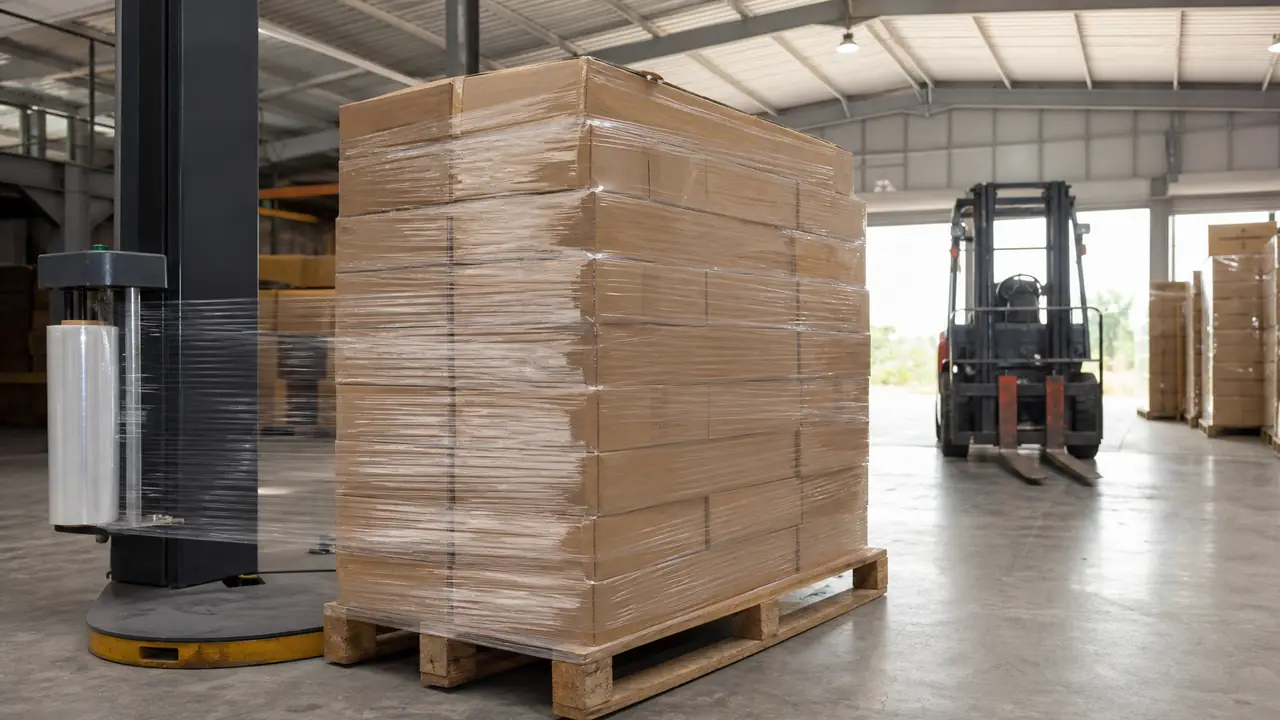
Replenishment is planned around the season. Bulk usually takes 30-45 days and sea freight to the US West Coast about 15-25 days or to Europe about 30-45 days, so reorders for spring are placed in winter. Mixed containers combine styles and families where cartons fit, with carton sizes used to plan the load. Tents ship by volume, so a canopy carton of about 158x27x27 cm per set and a dome tent carton are planned together rather than booked separately.
Spares and dealer support
Distributors usually order a spares list with each lot: spare pole sections and repair sleeves, stakes and guy lines, canopy joints, tops and sidewalls, and sandbags or weight bags. The list is part of the order, packed and labelled by style so dealers can find the right part. Manuals and pitch cards are supplied in the languages of your region. The repair kits and spares note lists typical items.
Quantities and reports
Typical starting points are 300-500 tents per style for existing styles with your branding and 20-50 sets per style for 10x10 canopies and printed kits; new structures are assessed per project; all quantities are confirmed in writing. Reports follow your region: EN ISO 5912 and GPSR for the EU, BS 7837 for marquee fabrics in the UK, CPAI-84 or ASTM F3431 and NFPA 701 per report in North America, AS 4174 for shade in Australia and New Zealand. They are issued to partner factories or to your company per order and verified by the desk.
Illustrative example
An illustrative, anonymous case: a regional distributor buys dome tents from Zhejiang and 10x10 canopies from Linhai. Dealers report that the second canopy lot looks different. The desk compares the lot against the golden sample, finds the top colour outside the approved swatch, and has the partner factory correct it before shipment. From then on, colour approval is a fixed checkpoint in the inspection plan for every reorder.
How to start
Send your current range, the lines you want to add, annual volumes per style, your region and your spares needs through the quote form. The desk replies with a cluster plan, a sample schedule and a reorder calendar.